In the late 19th century, Sigmund Freud developed his theories on the nature of the human psyche. The primary motivation for most everyone’s behavior, he determined, was the sex drive. Beginning in early childhood, oral and anal fixations, then phallic and genital fascination defined the libido, the personality and life-force through the id, ego and superego: the realization of desire than tempered with age.
Problems of social adjustment were often caused, he surmised, by suppression of one’s natural sex drive, so, through psychoanalysis, he believed he could cure his troubled patients by making them aware of their latent sexuality.
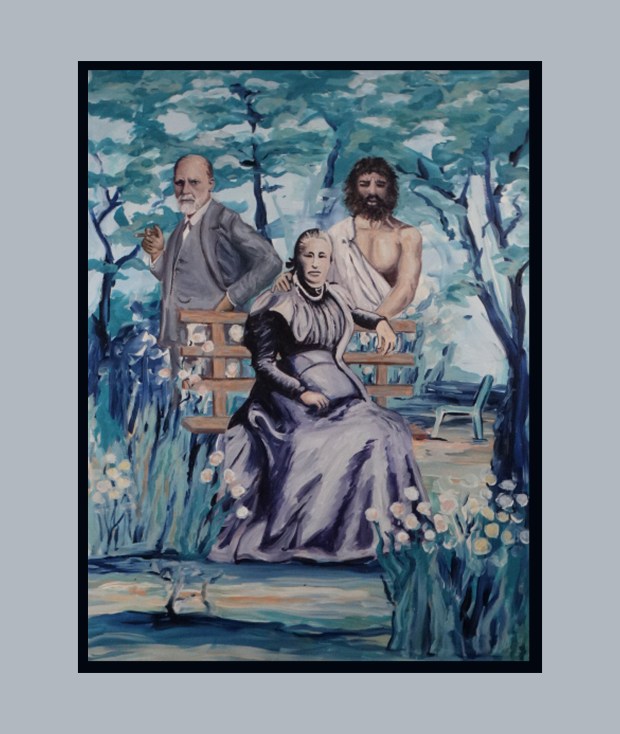
Certain personality disorders Sigmund traced back to a childhood infatuation with his mother from whom the patient’s sexual inhibitions originated, an illness he labeled an Oedipal Complex after the tragic Greek figure Oedipus who fell in love with his mother and killed his father.
Anecdotally, it turns out Sigmund was his mother’s favorite and while he did produce progeny, it appears his sexual activity was short-lived.
 deideismusings