Alternative Realities

I’ve been hearing, lately, about the proliferation of witches in late 17th century New England. Apparently, there were quite a number of people identified as such. A penetrating gaze into the eyes of a young girl suffering adolescent angst could result in an accusation of witchery. Men, women and children were found to be guilty and imprisoned. Two dogs were determined to be witches and executed. Widespread frenzy turned son against parent, husband against wife, child against family pet. Witches were seen flying about on broomsticks, gathering in covens, casting evil spells. The guilty were brought before Judge William Stoughton, who, supported by the likes of Cotton Mather, tried and executed the guilty.

Anyway, this got me thinking about current alternative realities which seem to be proliferating these days. It seems all it takes is for a localized majority or a community of like-minds, egged on by media venues that know a good thing when they see it, to distill the complexities of modern life into a palatable elixir. Upon consumption everything becomes crystal clear. Black and white eliminates those difficult shades of gray, good and evil become clearly defined and it becomes very evident there is no room for compromise.

Well, apparently what happened in Salem was that some astute individual saw the witch hunts as disrupting business as usual; it was bad for the economy and in very short order the issue was dropped. After all is said and done pragmatism rules, I guess.

A Private Life

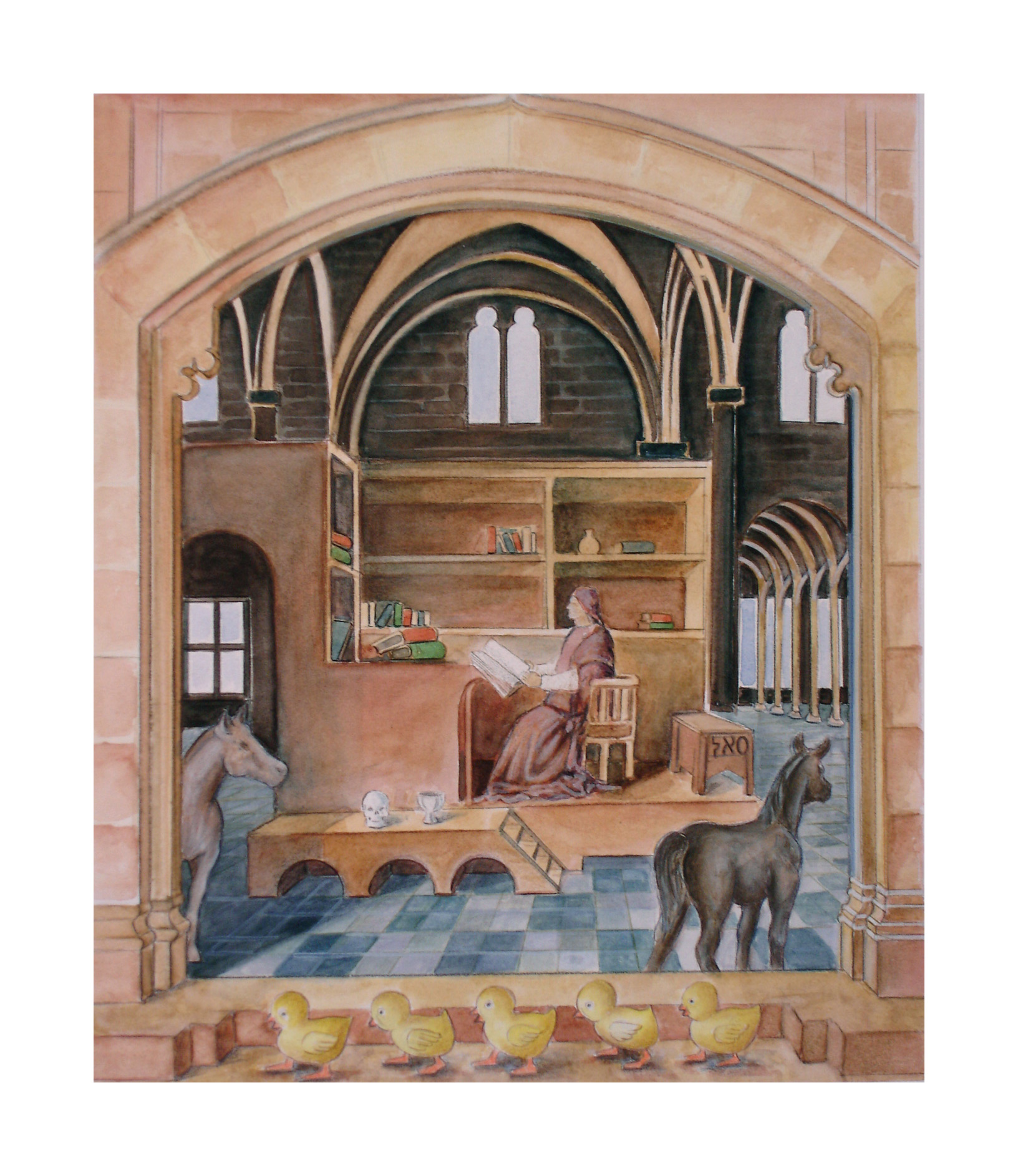
I’ve been thinking, lately, about how much time I spend thinking. I find contemplation to be a very important part of my daily regimen, to the extent that social interaction is non-existent some days; a lot of days, really.

Of course much of my thinking is about people, wondering about how some folks arrive at the opinions they hold, how groups of like-minds take on a public identity which lifts individuals out of their private worlds and offers a public character which seems to be what a lot of people crave. On a personal level, social networking is pretty easy, social media being what it is, and, I guess, having a large group of ‘friends’ tends to fend off perceived loneliness even if it is delusional (any sort of personal closeness, that is).

If social striving and seeking public identity gets out of hand, if popularity is too high a priority, danger lurks. When you think of individuals in the spot-light these days it’s unlikely anyone’s public persona provides much more than a caricature; which certainly can’t be what anyone wants. Better to spend more time thinking.

brotherabraham

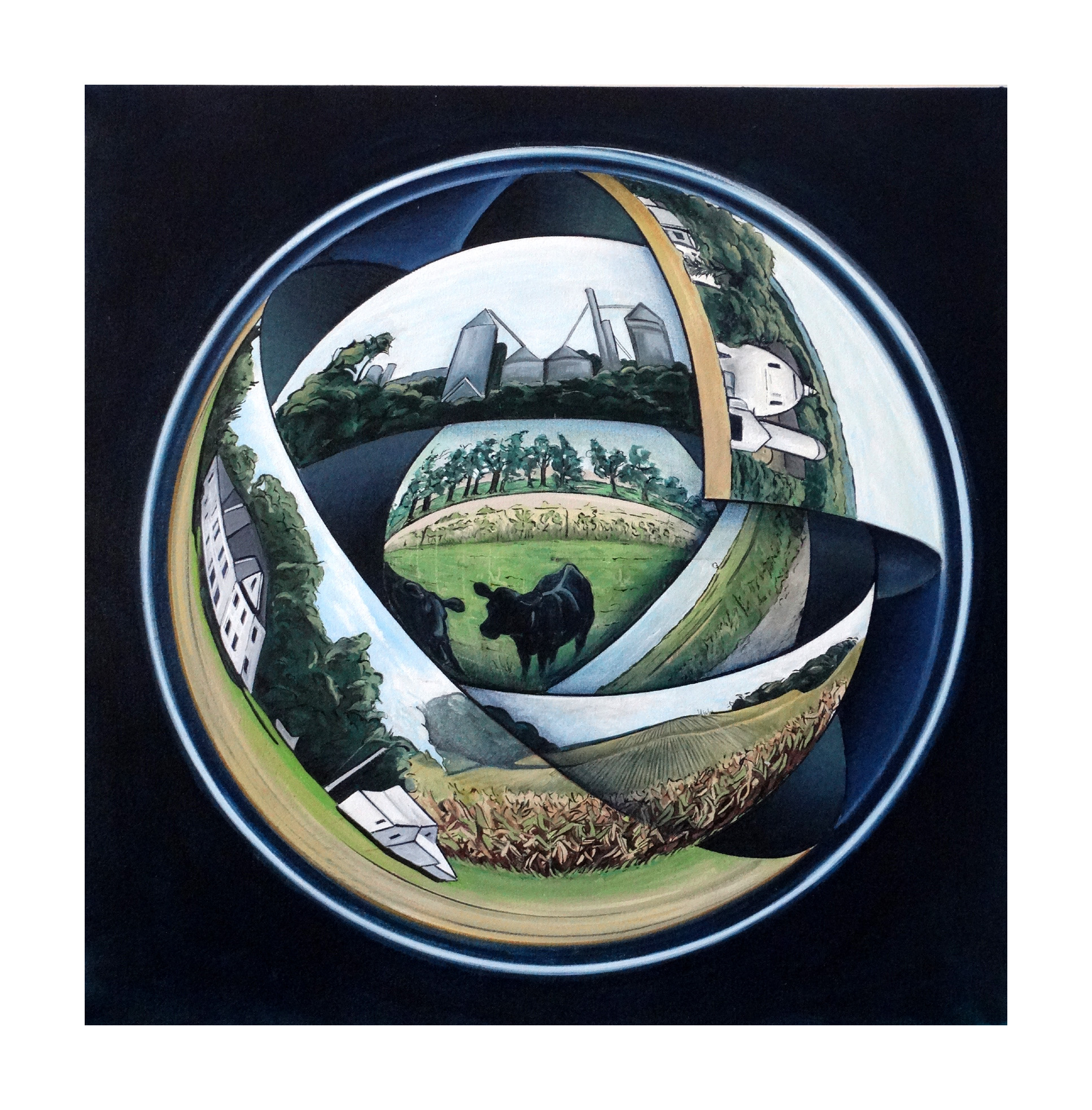
The Agri-culture

As I understand it civilization advanced, as the human mind developed, from nomadic hunter gatherers to an understanding of domestication of plants and animal life; which led to a fairly sedentary existence and population growth. Clan organization gave way to diverse populations that learned to work together for mutual benefit; up to a point. Class structure developed and with it the inherent violence of workers and overseers, haves and have-nots.

Which I guess, is kind of where we’re at right now, although what ‘having and needing’ means has changed no doubt. Beyond our basic needs of food, clothing and shelter we have found significantly more is required for our well-being; our mobility and entertainment needs require considerable resources. I wonder, sometimes, if happiness might be better served up living closer to basis subsistence, growing and raising what is needed; supporting and receiving support from my neighbors.
It seems pretty appealing, this agricultural life-style, in a Thomas Hardy pastoral sort of way. But, of course it’s just a romantic delusion isn’t it.

I think we might do well to continue subsidizing the farmers.

meditationdevice19

Fanaticism

I’ve been reading and thinking about fanaticism, how and why it arises and the forms it takes. The idea can certainly be thought of in terms of most any passionate belief, but most often, I think, it is thought of in terms of religion.

At some point in the development of the human intellect belief in some sort of supernatural entity was a given; it defined a singular reality. But, as the mind evolved toward reasoned thought, belief in nature spirits gave way to religion, with its requisite doctrinal, dogmatic and political implications, which in turn led to skepticism. Beliefs came to a fork in the road and took it. As beliefs grew further and further apart, fanaticism reared its ugly head; people at opposite extremes being absolutely certain about things no one can be absolutely certain of. Unfortunately, this seems to be the place where humankind presently resides.

I guess a lot of people like to grasp certainty and then not think about it too much anymore. It would be good, wouldn’t it, if everyone put a little energy into questioning? You know, questioning what we can truly know, questioning the efficacy of our chosen beliefs, questioning the legitimacy of our op positional stances. Wouldn’t the resulting cooperation override the necessity of blind faith?

Krishna and the Walking Dead3