
Saving Planet A

I’ve discovered recently the thoughts of an innovative thinker, Kim Stanley Robinson, who has some quite amazing ideas about how we might potentially nurse our threatened world back to health or at least slow its deterioration.

Could it be possible to blast particulates into the earth’s atmosphere, simulating a volcanic explosion, to filter the heat of the sun with the very positive result of lowering temperatures? How about spraying sea water onto the polar ice caps on a massive scale to recapture the melting seas? Technologically and economically challenging ideas I suppose but at what point will such extreme measures be necessary to save the world?

Then there’s the concept of ‘quantitative easing’, a method of monetary manipulation that’s already been employed to stave off financial crises by ‘producing’ large amounts of capital. Perhaps with the proper monetary incentives farmers could be induced to engage in carbon trapping technologies and to replant acreage in bio-diverse forest lands. With additional capital solar and wind farms could become a primary factor in electricity production. Everyone, given the proper incentives could move toward clean energy transportation.

Being that there’s little doubt that impending environmental disaster is imminent, perhaps innovative thinkers like Kim Stanley Robinson should be taken seriously.
 

A Frightening Proposition

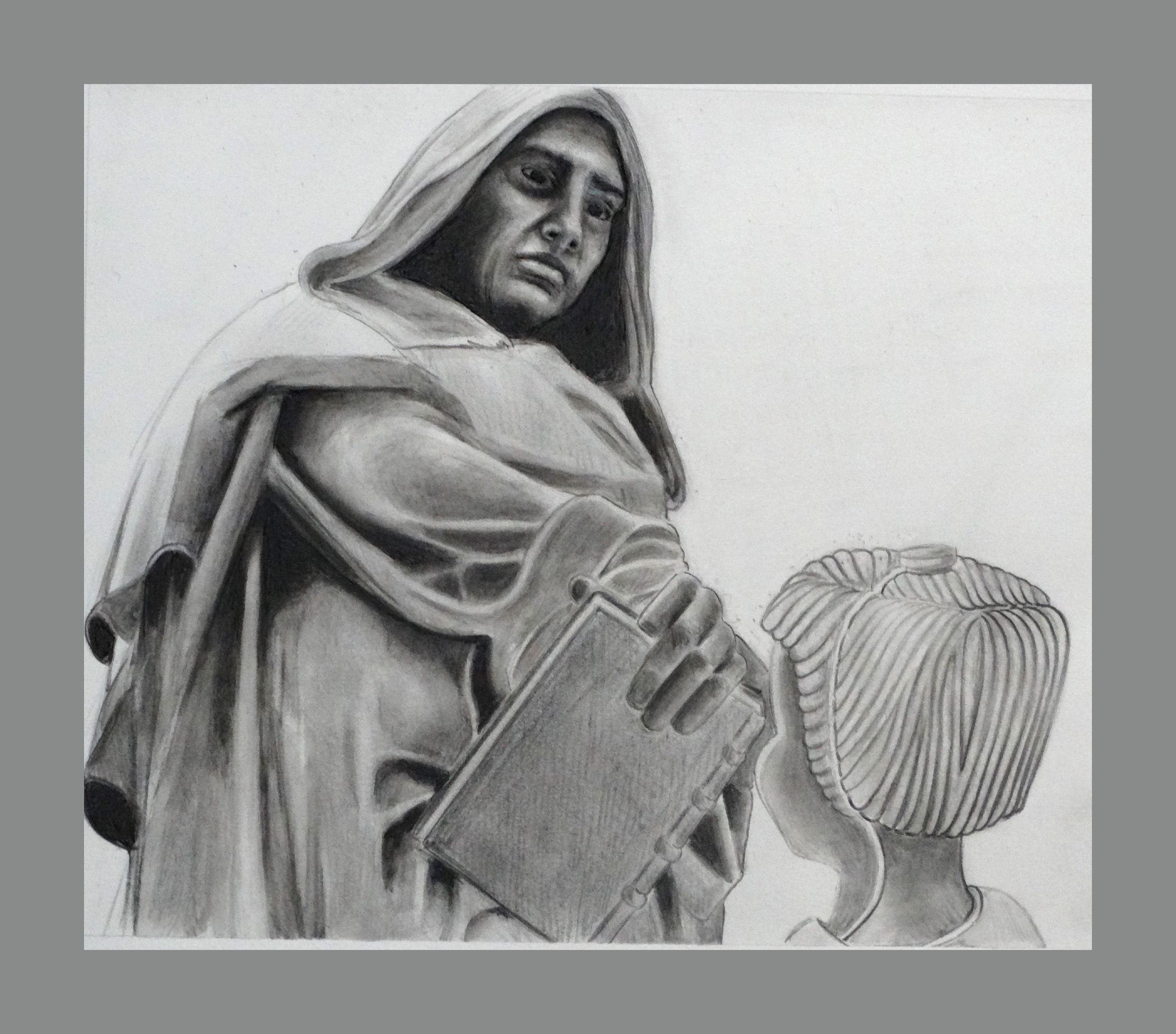
Apparently Augustine of Hippo, after a mis-spent youth of carousal and debauchery, found intellectual and spiritual sustenance in various disciplines of the time (neo-platonism, etc.) until his meditative practices led him to Christianity. Then slowly, over the years, a dependency on reasonable determination gave way to faith: an all-encompassing faith in spiritual direction arrived at through prayer.

So, in fairly short order, Augustine tells us in his Confessions, he abandoned reasoned thought in the certain knowledge God would be sufficient means, a more than adequate guide, to see him through the lapses in faith that he and all who were invariably sinful-in-nature required to be worthy of salvation.

He apparently felt so strongly about this, about everyone’s essential sinfulness and inability to lead a truthful and honest life on their own, that he saw to it that the laity were subject to the whims and dictates of the church hierarchy. These innocents, were discouraged from seeking any sort of personal spiritual enlightenment through Bible study and prayer which was pretty easy to enforce since most of them couldn’t read anyway. Over the next few centuries this priestly authoritarian presence became tyrannical resulting in the establishment of inquisitors who burned heretics.

Maybe the lesson to be learned here is to beware of those who suggest to you: don’t think about it all too hard, just believe, have faith, God will provide. A pretty scary proposition, it seems to me.


The Ancients

I’ve been wondering, lately, if anyone thinks about the ancients anymore. I’ve been reading about the polarizing political intrigues that engulfed Plato in the later years of his life. He found his integrity compromised despite his best intentions to teach the young ruler Dionysius philosophy, geometry and the path to a deeper understanding of the ultimate realities.

I guess the idea that absolute power, which is what these early Greek tyrants had, corrupts absolutely holds most of the time. Diogenes the Cynic certainly understood this. In protest to the perverse values of the time he cast off all social conventions (along with most of his clothes) and wandered the streets of Athens seeking an honest man while living hand to mouth, without material possessions of any sort, in a castoff wine barrel.

Some things never change I guess. It’s pretty evident today that the inclination to wield power trumps thoughtful contemplation, reasoned pursuit of the good and the just and true pretty much every time.