Immortality

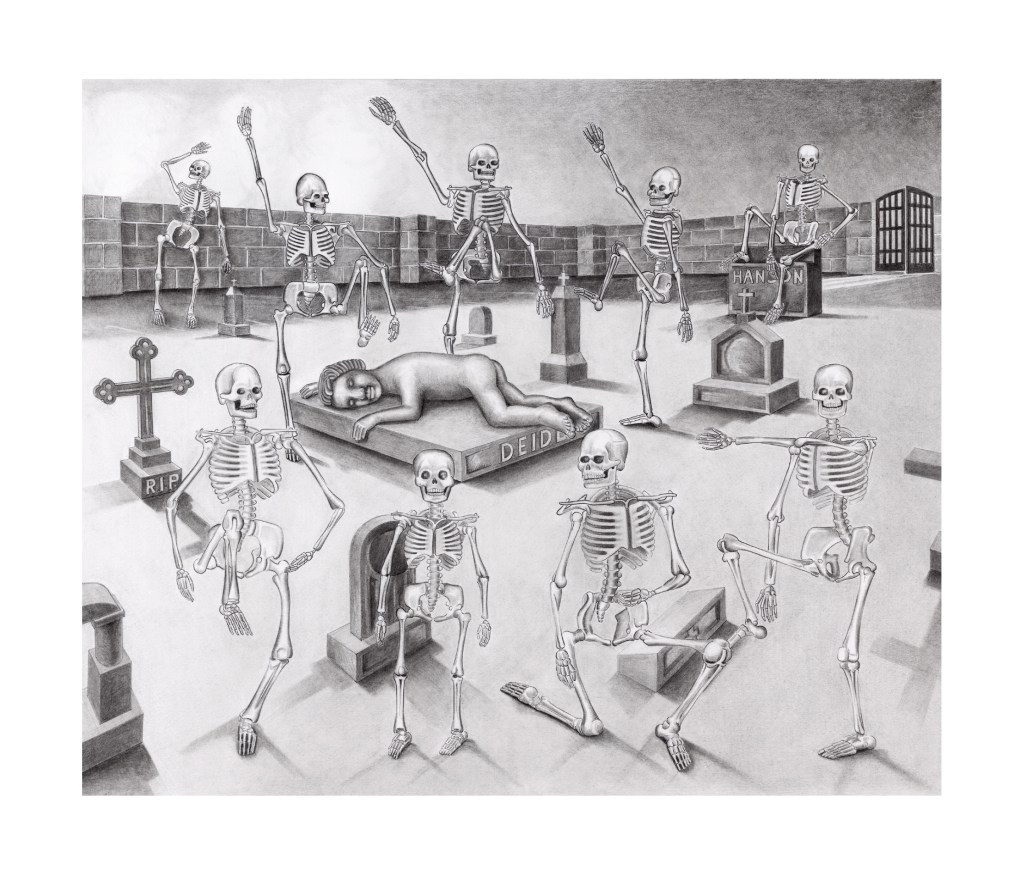
I’ve been wondering as I watch re-runs of Gunsmoke how many times over the series 20 year run Matt Dillon has received gunshot wounds. It seems he’s getting shot about every third or fourth episode. I understand there were 635 episodes produced between 1955-75, which would suggest he would display, if he were to appear shirtless and the show’s producers maintained consistency, a fairly perforated torso. Being inclined as I am to pictorial imaginings, Matt’s body would appear, as I envision it, a purplish mottled mass of undifferentiated musculature.

But, of course that’s not what we fans think about, rather we accept the clothed marshal’s obvious physical dominance knowing that the moral order will be maintained in Dodge City and by extension in our world as well.
No Such Thing as a True Story

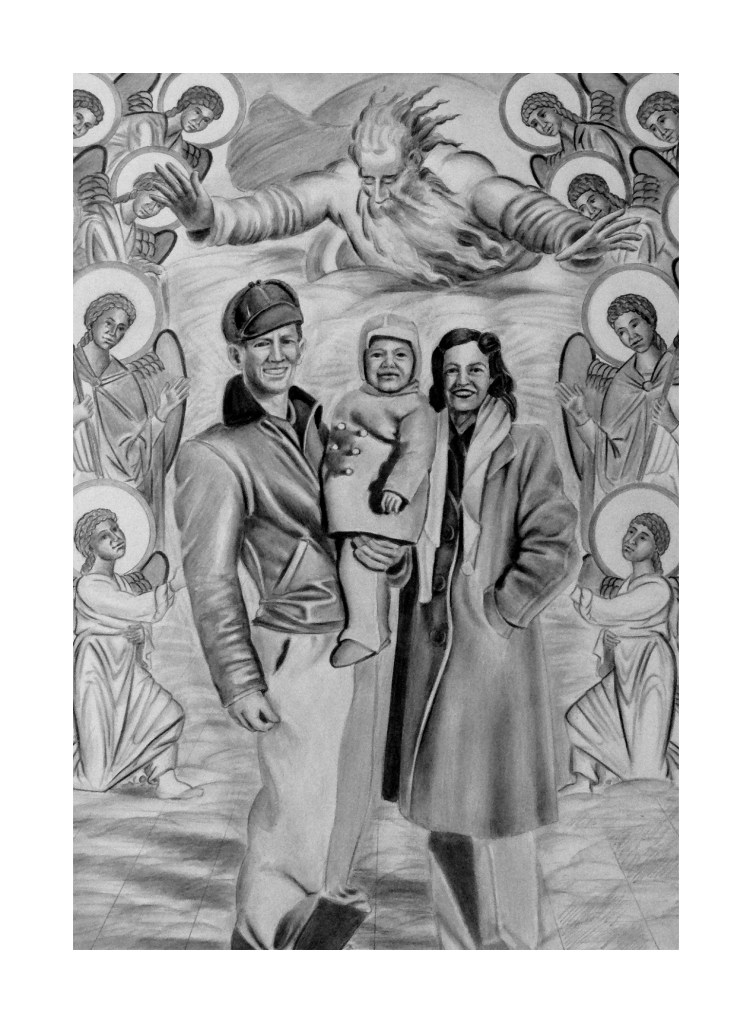
I’ve been reading that most everyone reconfigures their personal narrative as they proceed through the experiences of living. Personal interactions that may have been emotionally intense may be viewed differently in the calm of later years. Reckless behaviors in one’s youth as reaction to societal (or parental) pressures may later be realized to have been mistakes that interrupted character building constraint so necessary to a stable grounding in reality.

Where once we may have found truth in the absolute freedom of choice as a path to an autonomous independence, we may later realize a shallowness, a superficial misunderstanding of the deep-seeded need we have for the care of others, a dependence on those dear to us. So, the narrative changes; the way you thought things to be were not, upon reflection, truly the case. Motivations, ambiguous desires altered the truth of the experience.

I guess it’s fair to say narratives are interpretations which lie somewhere between fiction and non: stories being told by their possessors.

Balancing Risk and Desire

I’ve been reading about balancing risk and desire when the desire is fed by the risk. As I think about my wayward college days when smoking marijuana was as much about defying the man as it was about enjoying the effects of the drug, I realize ‘toking up’ made me feel like a solid member of the anti-establishment, anti-war hippy crowd even though inhaling was about as far as my social protest went.

Now, as I age, my desires are tempered, more thoughtful, I’m less inclined toward risky behaviors. But then I think about why risks are taken in the first place. It’s because risks successfully taken are life affirming, adrenaline pumping, provide a glimpse of (imagined) immortality, experiences sorely lacking in my present daily existence.

So, today I did something I’ve never done before. My mother always warned me about thin ice, so I tried some early season skating anyway. I fell through the ice. The experience was fairly unpleasant but it did alter my usual mundane routine.

A Dystopian Future

I’ve been thinking, lately, of dystopian futures. Such story lines aren’t difficult to find in science fiction, are actually pretty common the best ones being those that are most believable. Common narratives spin a future Dark Age resulting from nuclear disaster, perhaps, or, more believable still, the collapse of civilization due to lethal pandemic. Catastrophic loss of life usually results and those few souls remaining revert to animal behaviors in order to survive. The loss of basic needs collapses moral imperative: theft, murder even cannibalism become the rule.

The abundance of such stores has me wondering about the human psyche, how inclined we may be to expect existential disaster. The reality of global climate change increases our psychosis, the nightly news feeds our discomfort and keeps immanent disaster fresh in our minds.

It’s pretty easy to see why some of us seek solace in spiritual endeavors that promote belief in a worry-free afterlife. As for me, I’m inclined to refocus on the mantra ‘right here, right now’ and celebrate the natural beauty immediately before me.

The Market

So, as I understand it the market depends on the consumer whose purchasing power depends on the sale of goods produced by the consumer whose wages ensure the consumers’ purchasing power which ensures the product will be purchased.

Everything proceeds along okay as long as there aren’t any linkage problems in the chain, like interruptions in acquiring the necessary pieces required to produce the product which might result in job layoffs which then reduce the consumers’ purchasing power, and which eventually, considerably increases the cost of the unavailable pieces the products’ manufacture require making the product more expensive and perhaps out of reach of the consumers’ now limited resources. The product is no longer affordable, manufacture shuts down: no wages, no consumers, no product.

Thought about in such terms, life seems pretty tenuous dependent as it is on the cooperation of a population of independent souls often at odds with each other. It may be time to thank my neighbor for his part in keeping the chain in tact.

Impending Doom

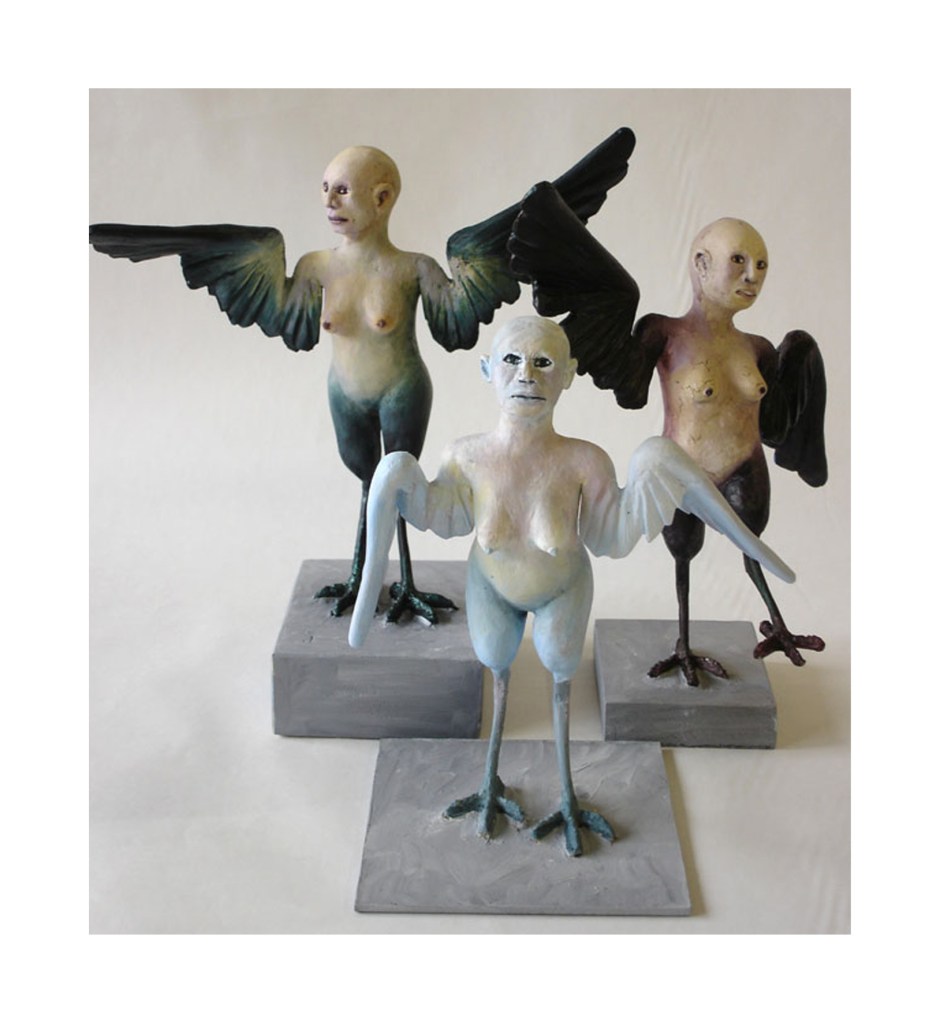
I guess this time of year invites morbid thoughts: nature receding into dormancy as it is, temperatures dropping to inhospitable levels. Then there’s the growing disaster of climate change that our politicos seem unwilling or unable to address in any meaningful way, the partisan reality disconnect dividing us into hostile tribes and who can forget the ominous persistence of the dreaded virus.

What I need is a catharsis, a jolt of adrenalin to lift me from this debilitating depression. I was reading that the horror genre is beneficial as a means of escaping the sense of gloom one finds oneself in at times; that horror films can help one find a fresh outlook. Seeing Jason about to slice up an unaware teenager and the like produces an adrenalin rush, so the article suggests, ushering in a revival of energy to go along with a thankfulness one is in one’s living room rather than in a cabin at Camp Crystal Lake.

It makes sense to me; I think I’ll revisit some of the films that have terrified me in the past; maybe start with Hush, Hush Sweet Charlotte. Betty Davis’ take on insanity caused me nightmares for quite some time.

A Cosmic Road Trip

A recent long road trip had me listening to audio books of the sort providing lots of easy-to-follow action. The books I listen to while traveling are ones I would likely not spend time reading but they’re books I find helpful in passing the time during the long expressway miles.

One of the books I listened to offered believable (but pseudo, I suppose) science that got me thinking. The idea that caught my attention was Spontaneous Creation. The beginnings of life on earth, the book’s protagonist explained, was not due to the Big Bang or an Act of God but by natural physical processes responding to thermo-dynamics, the energy required to ward off entropic disintegration: the idea being that the sun’s heat brings sub-atomic particles into alignment eventually forming complexities that evolve over time into life as we know it.

The idea seemed pretty sound to me but, as the author pointed out the ‘laws’ of thermo-dynamics and entropic disintegration imply the existence of a First Cause, something above and beyond imposing order on the universe. A well-reasoned assumption, I guess, but a cynical nature has me wondering if, perhaps, the author was thinking less about science than about book sales.

Feelings of Anguish

Some days I find myself feeling vulnerable in an abstract sort of way, sensing opposition to my existence that I’m hard pressed to identify. I have no explanation for this vague feeling of dread but it’s very real when it occurs. I know I’m not alone in experiencing this sort of discomfort and I know that it leads some of us to seek a strong identifier, something or someone who appears to stand in opposition to the status quo, to the ingrained structure that lead to the inequities we think we’re experiencing.

A renegade leader can, if he/she is effective produce an identifier many of us will gladly latch on to and may evolve, over time, into the very epitome of evil. This development may lead to a sense of moral superiority, a hubristic certainty of being on the Right Path, and then, after a while, may lead to violent confrontations with a perceived enemy and eventually to terroristic behaviors. (yikes!)

My angst, thankfully, is usually pretty short lived. When the sun comes out, the weather turns mild, I find myself feeling everything is fine, life is good. Curious, though, the twists and turns of one’s psychological self.

Subliminal Truth

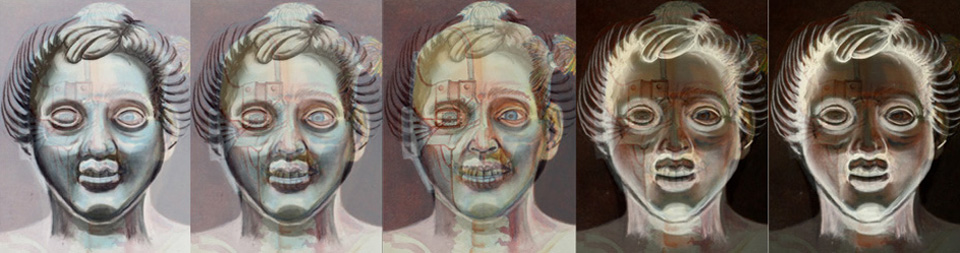
I’ve been reading, lately, about art and meaning, specifically how the intended communication the art maker might initially wish to convey becomes confused and intermingled with personal urges or desires that are then made manifest in the work during the intensive painstaking making process.

An uninhibited free reign provides the art maker’s mind the opportunity to bypass the political correctness of moral restraint untroubled by any sort of critical push-back (well, at least until the work is presented) and if the work is coming from the depths of the maker’s being without ulterior motive the work will be true: not necessarily attractive in an aesthetic sense nor morally uplifting nor of profound meaning; just honest.

Anyway, this got me thinking about my motivations as I proceeded to develop and execute my painting of the Mother Tree. Making the painting turned out to be a fairly involved undertaking in more ways than I usually find myself engaged. So now I’m led to consider that a project I’ve intended to have a lightly humorousness, anthropomorphizing tree forms as I have might in fact suggest a subliminal libidinous undertone that not only have I been preoccupied with female anatomy I present them (the female entities) as subservient

.Well, I must claim innocence. I really was just intending a light-hearted take on the natural process. But, who can say what the unconscious mind holds. I just hope the PC police won’t come down on me too hard.

The Mythological Us

I’ve been reading about the ancient Spartans and how research has determined they weren’t as ‘spartan’ as mythology would suggest, that, in fact, they were as unwilling to put themselves in life-threatening situations as anyone else and that they appreciated the arts of poetry and music.

This revelation has me thinking about what sort of mythology might evolve from our contemporary reality in, say, 2000 years’ time. Given that history is a narrative and stories are interpreted and change, one wonders how we’ll be seen. I’m thinking the images of our modern selves won’t be all that wonderful. There will be good things to think about us I suppose: our intellectual energy producing, as we have, wonders in medicine, science and communication technologies, but any overview of contemporary us by our future descendants will have to take into account the dubious ethical behaviors we’ve engaged in the fight to control the earth’s resources and claim the wealth as our own.

Whatever future mythology develops about us from the actions of our twenty-first century selves is pretty hard to guess; I’m just hoping there are folks still around to make an evaluation.