Unity of Opposites

It’s come to my attention recently that the 19th century German philosopher G. W. F. Hegel offered a theory of historical progression that seems somehow appropriate to our contemporary times. The general rule that history will follow, Hegel thought, is that any thesis will face its contradiction, after which a synthesis of the two will occur.

Now, I’m no scholar mind you, but I can’t help thinking about this in relation to our current political upheaval. For some time now it has seemed to me humankind was making significant humanistic strides toward pluralistic understanding and acceptance. Appreciation for cultural variety, tolerance for the other and compassion toward the less fortunate not to mention a sound scientific understanding of the threats to our natural environment seemed to be reaching consensus levels.

But suddenly the very antithesis of these ideals has reared its ugly head. We have found ourselves face to face with our most base instincts; hatred and fear of the Other, isolationist divisiveness, blatant disregard for unpopular scientific research and an anti-intellectual disinclination toward thoughtful dialogue.

So, Hegel would have us believe this dichotomous situation will work itself out, some sort of middle ground will stabilize things, compromises will be arrived at.  I must admit I’m having a hard time visualizing what that peaceful compromise might look like.

The Good

I’ve been wondering, lately, what it might mean to realize the Good. I’m thinking of a Good separate from self-interest, an over-riding abstract Good that might be found within our everyday worldly experiences. A Good beyond the ugliness that comes to us so regularly, that we are all too often made aware of, that the media is so quick to introduce and dwell on.

Anyway, I’ve been thinking about it, looking around and I think I’m getting glimpses of it (the Good that is). I’m sensing people performing truly altruistic acts, no ulterior motives involved. I’m encountering what seems to me to be truly benevolent unsolicited encounters with total strangers. I see a thriving natural world with healthy eco-systems and vital animal populations. There is definitely good to be found if one looks for it.

A Good such as this, I suspect, must be God.  Or, perhaps I’m being overly optimistic.

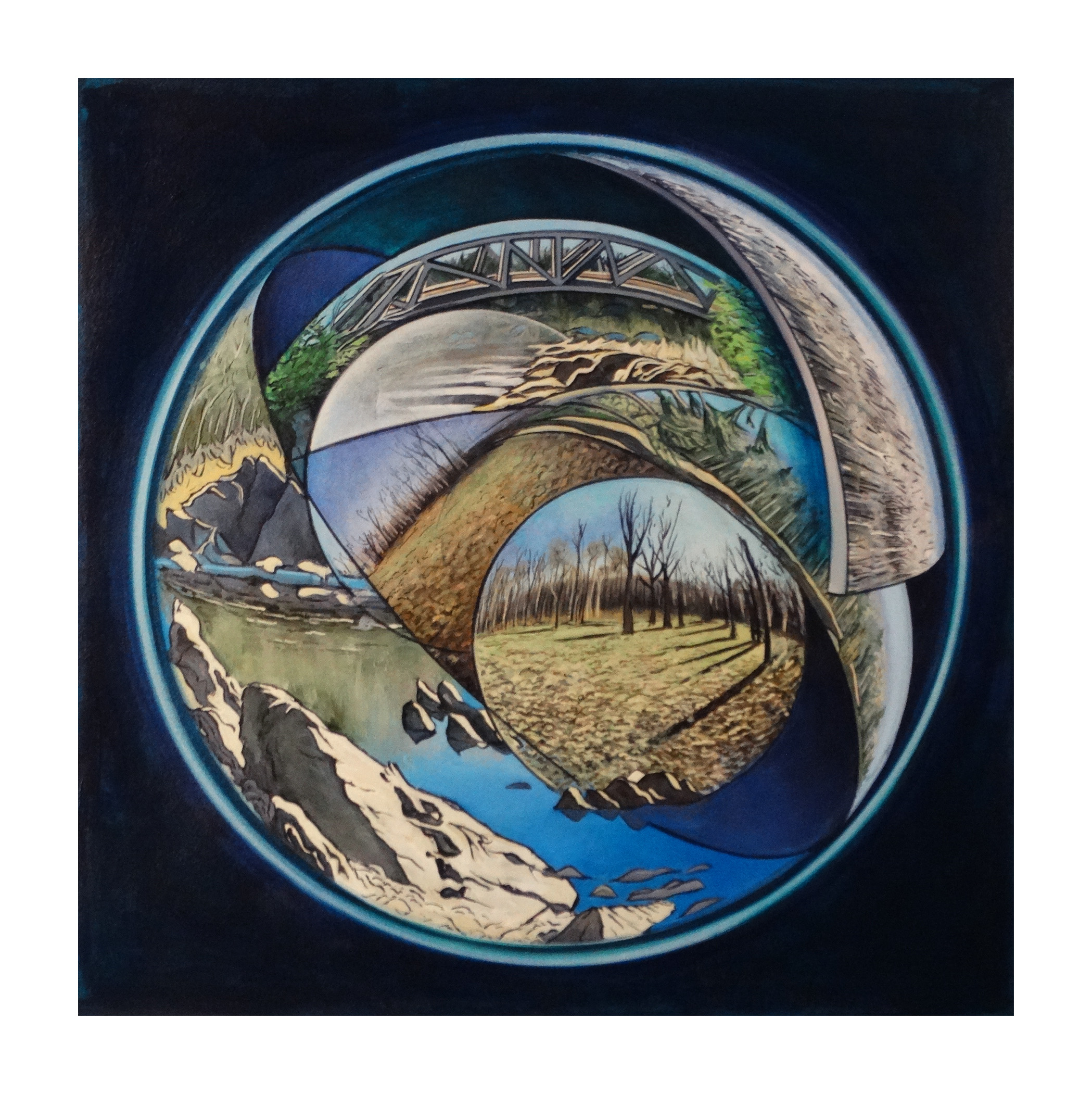
meditationdevice16

Easier Answers

According to the 19th century psychologist William James, man creates the world he inhabits. The path one takes, says Mr. James, may focus on ugliness or beauty, a man may choose to concentrate and relate to the Good or the Bad. The idea here is that faith is required: an acknowledgment of that which is beyond the empirical, outside the domain of scientific certitude: the realm of God and immortality.

Which seems to imply the need for perspective: that the natural world isn’t all there is, suggesting those in the ‘natural world only’ camp will have a much harder (impossible?) time maintaining an optimistic view of things, of remaining positive, of retaining and maintaining a high moral outlook.

On a personal level, to my mind, there is no doubt considerable energy is required, as our daily travails weigh upon us, to stay upbeat all of the time; even most of the time. Still, if it’s perspective it takes to stay on one’s preferred path I wonder if the only play is the metaphysical one. Mr. James suggests unless one is oblivious, we’ve already made our choice: skepticism in moral matters is an ally of immorality; who is not for is against, he says.

Answers to the big questions must have appeared much clearer back then.

Evolutionary Ethics and the Contemptible

There’s thinking these days that Biological evolution, natural selection, will result in ever increasingly capable survivors, generation after generation, better suited to exploit and thrive within their changing environment than were their ancestors in theirs. From the perspective of increasing prosperity alone, there appears little need, biologically, to embrace any sort of ethical stance. Cooperation between these increasingly fit beings will likely occur only in so far as personal interest is concerned. So, I’m wondering, is our evolutionary destiny to be increasingly inundated with assholes?

Yet, altruism does exist. Clearly humankind does embrace certain ethical standards. Generosity toward others certainly occurs; empathy is a true emotional response for many. There are those among us who make for a kinder, gentler society where cooperation means lifting everyone to a state of reasonable well-being. I have to wonder, in the next millennium, assuming humankind is still around, where the emphasis will lay; I have a feeling Friedrich Nietzsche would have had thoughts on this.

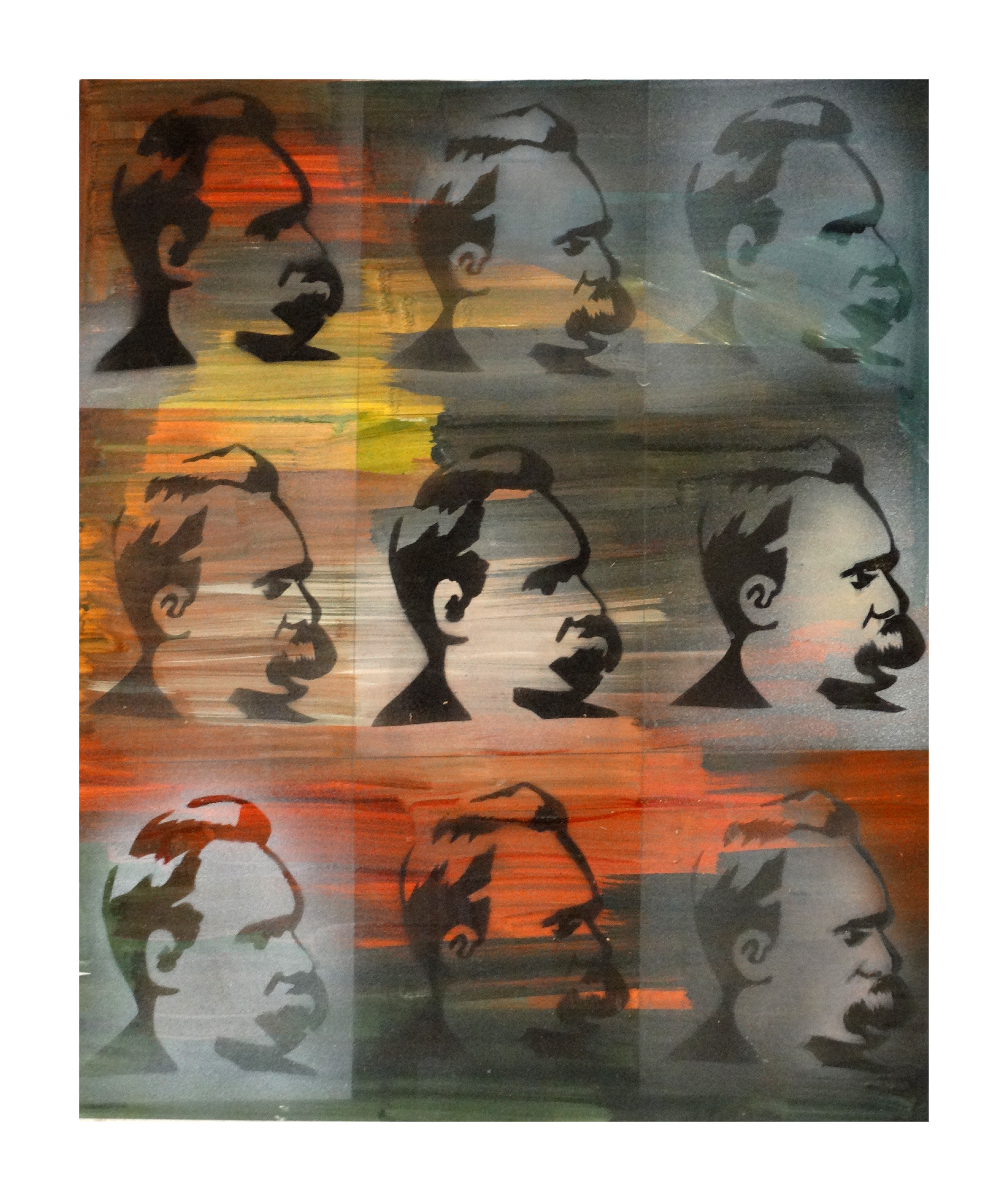
nietzsche3

Moral Entitlement

I’ve been reading, lately, about the idea of moral entitlement: how some people assume privileges others are denied. Or, to put it another way: some individuals and groups feel themselves morally entitled to take advantage of those they consider lesser or inferior.

I have no doubt such situations have existed, probably, for as long as man has walked the earth. A sense of superiority on the part of some accompanied by the complementary assumption of inferiority by others is pretty well embedded in our psyches. This idea has perpetuated social class and sectarian divisions that continues to account for dissonance and conflict.

One can argue the moral illegitimacy of such stratification, I suppose, but what I find more curious and annoying is the ego driven individuals who assume unjustified advantage. I suspect such people and/or groups will realize the idealistic beliefs that have led to their divorce from mankind must be tempered in the interests of everyone’s basic social needs. One can hope so, anyway.

Ecological Truth

Traveling cross-country along the endless concrete ribbon, wastelands appear with unsettling regularity. Rather than the natural wastelands of little water and poor soil, (which, I must say, I find personally appealing, due, in part, to the clear lack of adulteration) the wastelands I’m finding unsettling consist of the architectural ruins of abandoned strip malls and the cast-off remains of excessive consumption: plastic bags, destroyed shopping carts, unidentifiable Styrofoam and cardboard pieces, TV and microwave carcasses: detritus of all sorts.

I suppose, at this point, it would be appropriate for me to spin the story of my own Spartan existence. How I live hand to mouth, without frills or material comforts of any sort and how I donate any extra resources I may acquire to the truly needy. But, the fact is I’m as guilty of accumulating excesses as the next materialist; I know I have more than I need. I can offer a nearly unending list of things I have more than one of, where one is clearly sufficient.

On the one hand, I wish it were otherwise, but, on the other, I guess my consumption is a good thing in some ways. I’m fairly constantly reminded, via multiple media outlets, that the economy must grow to be healthy, that if it stagnates it will not be a good thing, so, I guess I have a responsibility to do my part.

Which, I must say, puts me in a paradoxical position: while I feel a moral obligation to try to limit my consumption, considering the finite nature of the earth’s resources, I’m obligated to buy, buy, buy; and then to discard, discard, discard. Maybe I can focus on a bit more recycling and a little less discarding without upsetting the delicate balance between consumption and privation.
And, maybe, the commercial industries and their advertising associates could temper their rush to profits in favor of a bit more ecological thoughtfulness.

meditationdevice15

Poetic Naturalism

I was reading the other day that what we are, when it comes right down to it (way, way down I might add) is ‘collections of vibrating quantum fields, held together in persistent patterns by feeding off of ambient free energy according to impersonal and uncaring laws of nature.’* Vibrating one-dimensional strings or sub-atomic particles organize themselves to form our senses and memories, record and qualify our experiences which are then interpreted in language containing personal pronouns which identify self and, voila, we awaken and become conscious of our individual selves.

It’s a great story, a believable narrative that answers a lot of questions about our unique natures and our reality as we conceive it. There are, of course, other narratives. On a macroscopic level our complex beings seek out and find entities beyond the physical that on occasion reach out and touch us, make us aware of the magic in a changing natural world; give us the capacity to embrace beauty, to love others than ourselves, give us courage in the face of adversity, offer a benevolent overseer to rule our very existence.

There are without a doubt other narratives as well. The question we need to ask is: which stories carry the greater validity, answers the most questions, accounts for nature as we know it. I must admit I’m often swayed by a well stated thought which leads me to embrace, for the moment, the ideas of poetic naturalism, seeing as how it is so convincingly backed up by theoretical physics.

So, for now I will embrace the beauty and complexity of a naturalistic view and set aside explanations requiring any sort of supernatural participant. At least until the next new, well-thought-out conception comes my way.

*credit to Sean Carroll for this wonderful summation.

meditationdevice14

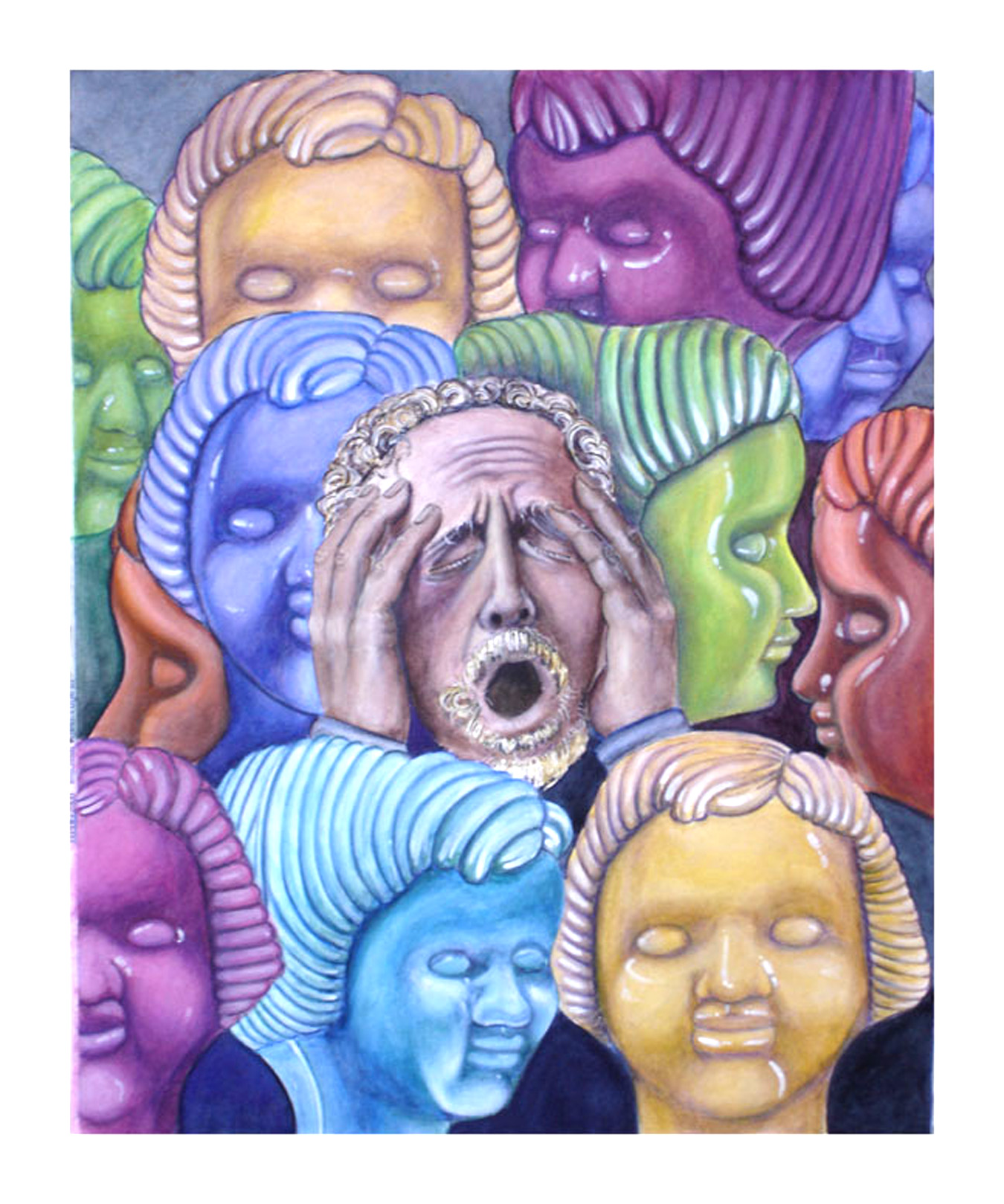
Crowds

I found myself, recently, in the midst of large numbers of people. The atmosphere was festive and most everyone seemed fairly convivial and, I must admit, for a time I found myself pleasantly embraced within the mass of humanity.

But, it wasn’t long before I began to feel a bit uneasy, being, as I am, generally averse to extended time in public. As time went on the pleasant demeanor I sensed in the crowds earlier began to dissipate and take on an ominous malevolence. The gentle jostling I had experienced as people moved toward a better view of the festivities I now found aggressive and unpleasant.  I didn’t feel the need to run for cover exactly but move away from the congestion I did. As I approached the perimeter of the mass of people I stopped and turned to view the crowd. From a distance the mass of humanity was less intimidating and I found my composure restored.

As I now reflect on it all the experience was really more than tolerable and I can again embrace my deeply held empathy for mankind and the difficulties everyone faces, you know, just dealing with daily life. I guess the key for me is to stay off the stage, take a seat in the balcony as long as it’s not too crowded.

existential angst

Entropy in Five Words or Less

I’ve been trying to make sense, lately, of what exactly entropy is. Entropy is apparently a very important concept applied by physicists to help explain the Big Picture, relating to the workings of the universe in sub-atomic terms. I guess it has something to do with heat distribution: how hotter things like the sun give off heat as energy which is absorbed by cooler things in an ongoing move toward systemic equilibrium.

When the Big Bang happened, so the story goes, entropy began, and, over time, continues to increase so that atomic configurations grow ever increasingly complex and chaotic which is the point in time we are right now. But, eventually all this chaotic complexity will blend together in a homogeneous soup and everything will return to a state of equilibrium as the last star blinks out.

Which all seems somewhat understandable, but then we’re told entropy continues to increase even though everything will have been reduced to undifferentiated matter, which is pretty hard to understand. And this is not to mention the idea that entropy measures the amount of work that CAN’T be done using available energy and the whole concept can be reduced to mathematical formulae.

So, my understanding of this illusive concept remains in the shadowy grays if not quite the complete dark, and I’m left with little choice other than reducing the concept to: the measure of change over time. I know this must be terribly simplistic but I’m pretty confident it’s all I really need to know about entropy.

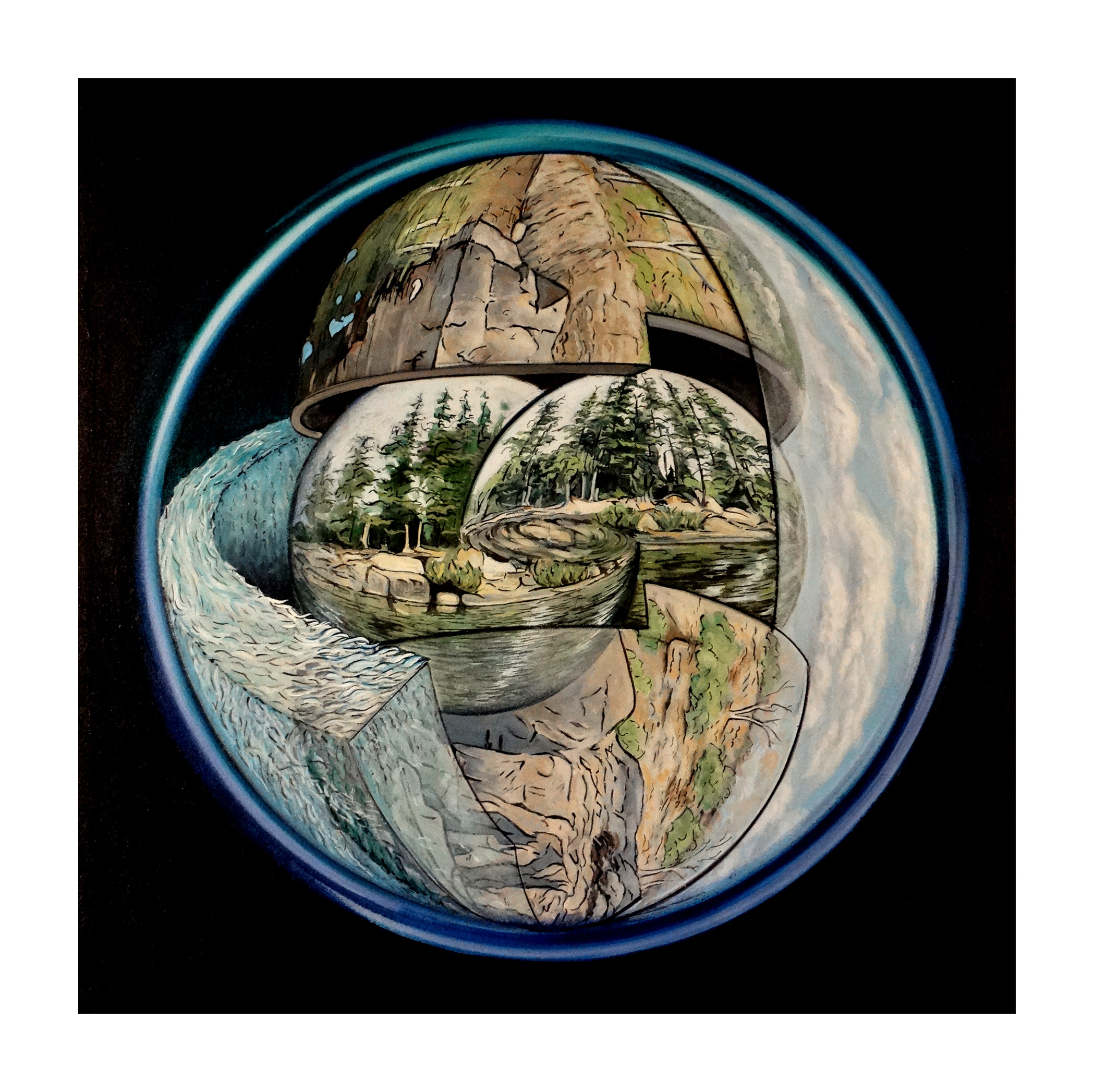
biosphere11


Into the Wilderness with Others

I’ve recently returned from a trip into the wilderness with others. And, while my companions were most congenial, offering, as they did, opportunities to share sights and sounds, I found the experience lacking in ways it’s taken me a while to identify.

Most of my treks into the wilds in recent years have been done solo. Traveling alone means extended times of solitude and contemplation which is really refreshing initially, but, after a while I will inevitably find myself missing conversation. At some point I always seem to experience a descent into psychic depths of a fairly profound nature. And, although these mental travels are not always pleasant they provide me an ultimately refreshing reassessment of my existence. Not exactly an epiphany every time you understand, but usually by the end of my adventures I do sense a nuanced change of perspective.

So, the recent trip with companions to insulate my psyche from its otherwise likely meanderings was a clearly different experience. But, after all, placing one’s self in a situation where nature has the clear upper hand, whether with others or alone I think is pretty worthwhile no matter where one’s psyche might wander off to.

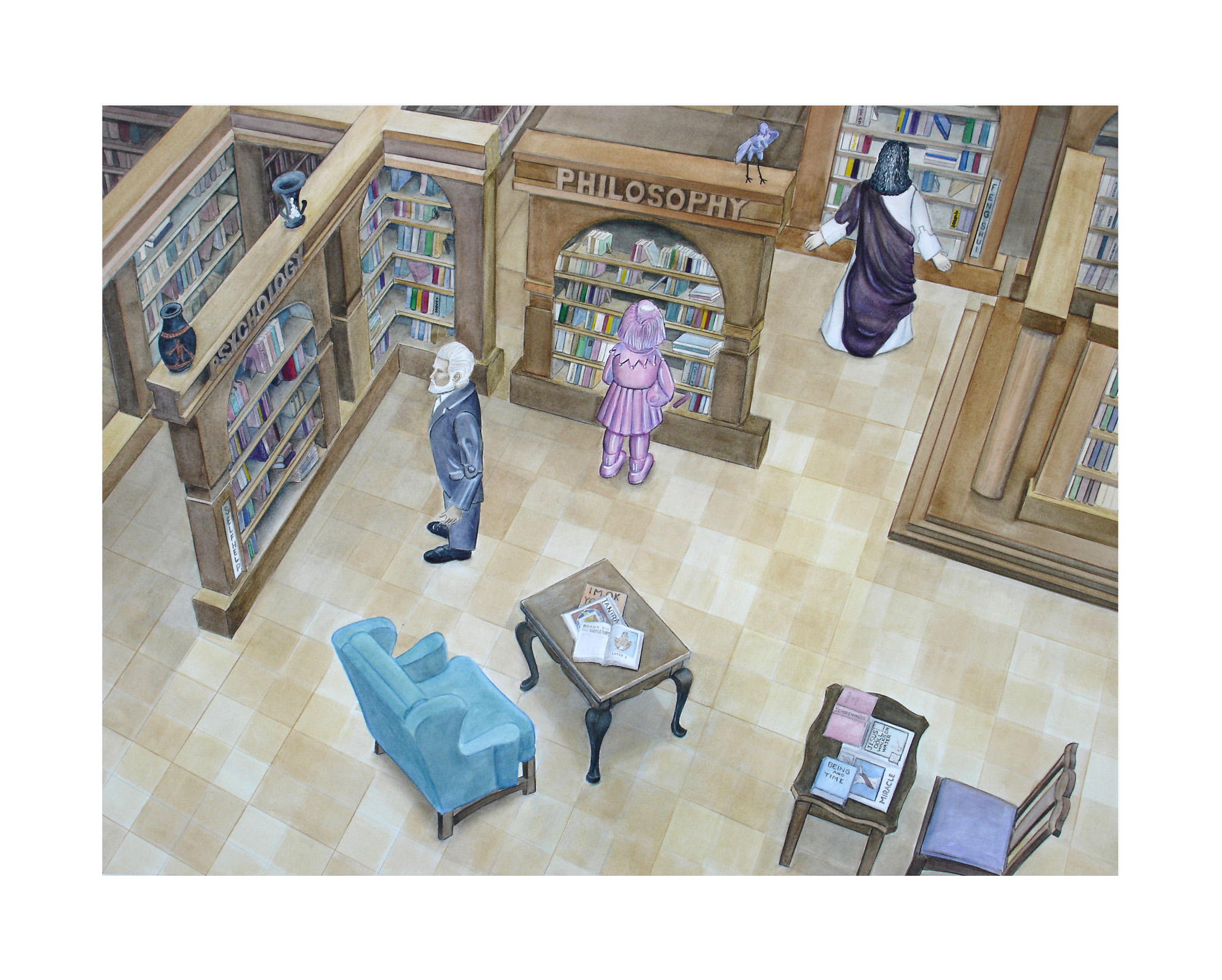
meditation mandala