Oneness

I’ve been trying to make sense, lately, of the philosopher Arthur Schopenhauer’s concept of ‘Will’. As far as I can tell, rather than connoting the generally held understanding of the term as having to do with conscious desire, mood swings or self-awareness, ‘Will’ for Schopenhauer is the non-living force, the undifferentiated, timeless, space less, noumenal Oneness from which all differentiated phenomena (including us) is manifest. This means, I guess, that we all share a common origin that may account for our moral proprieties, compassion and fellow-feeling.

Well, as I was contemplating this recently during a three hour flight, the beauty of the idea really hit home. I found myself in an aisle seat in the last plane row right next to the rest rooms. After drinks were served a flow of humanity descended upon me, enveloping me in what I can only imagine must be very much like the primordial ‘Will’ in which we all swam and to which we will return.

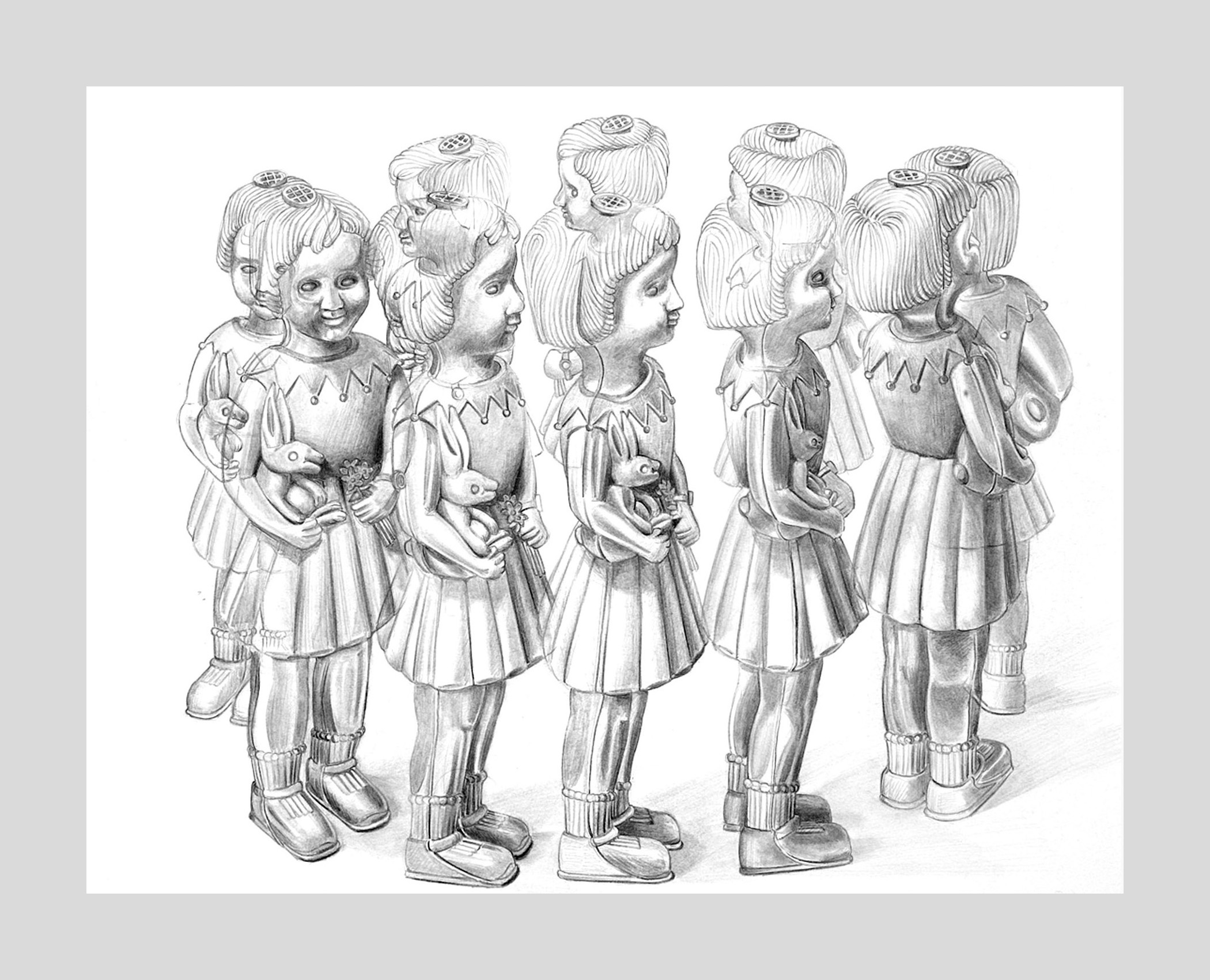
I must say the experience was a striking realization of how connected we sentient beings are, at least in a very general sense; so simpatico, comfortable in our oneness as long as we don’t individuate too much. It was actually fairly pleasant in remembrance until I discovered I had acquired an unfamiliar germ that caused me a bit of distress.
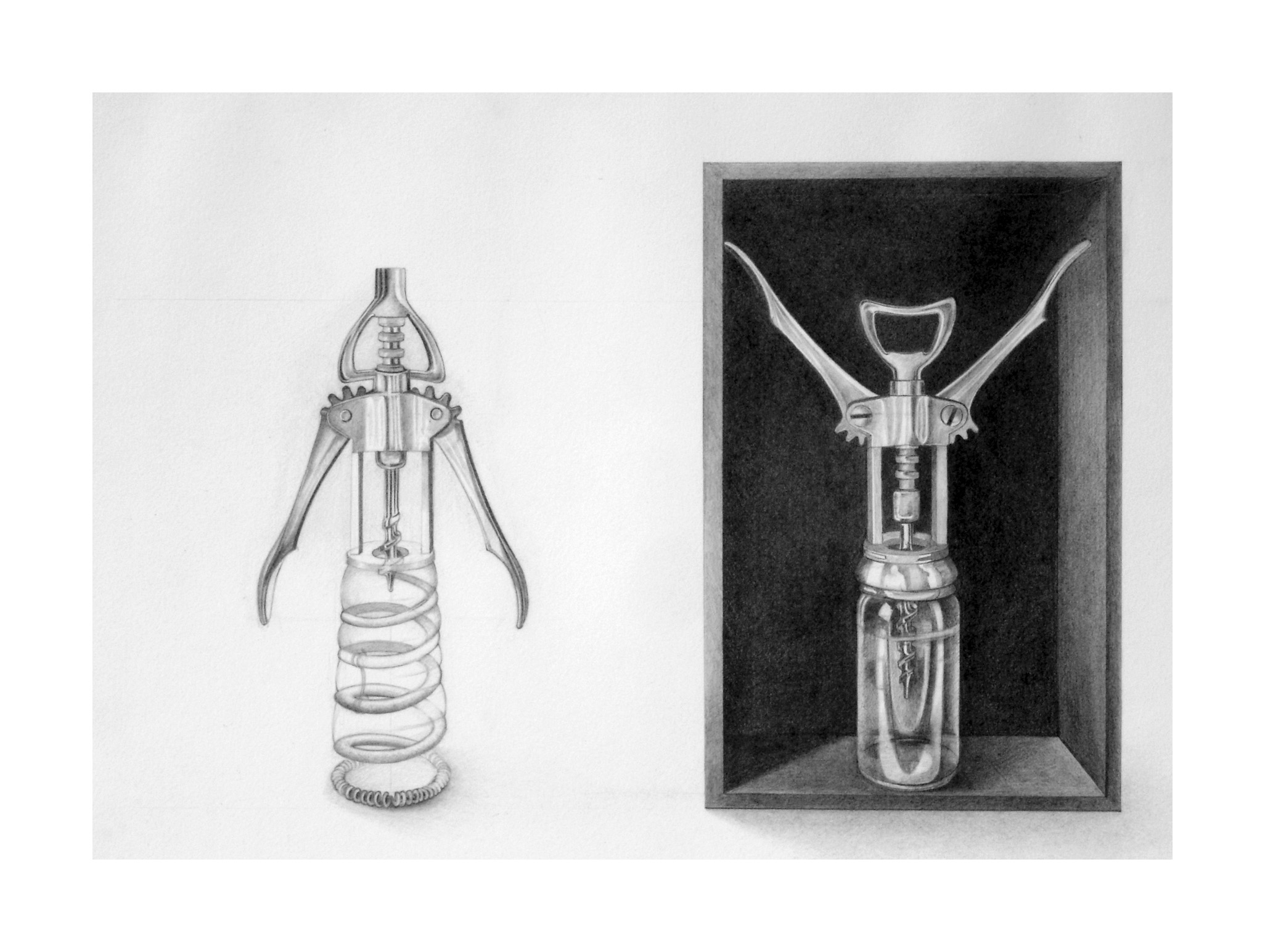
existential angst

Philosophical Thoughts

A couple of recent upheavals in my otherwise serene existence have me thinking about the wisdom of the ancient Stoics and the idea of balancing my placid life with a daily dose of worst-case scenario.  According to the philosopher Epictetus such a position will ensure than while one may be sick, yet will be happy, in peril yet happy.

One might complain, I suppose, that waiting for the roof to fall in isn’t exactly an optimal philosophical perspective, but I have to hand it to those old Stoics as well as Cynics and Epicureans, that their ideas might have been less than perfect but their concern for living life meaningfully and well was above reproach.

Which is more than can be said for certain later philosophical thinkers; apparently, there were individuals, more than a few, I guess, who, in order to catch the attention of their peers, wrote in a most obscure manner employing a convoluted prose filled with misleading, faulty logic and leading to pseudo-profundities having little to nothing to do with living life.

This information has been quite an eye-opener for me, considering the difficulty I’ve had over the years trying to make sense of certain philosophical readings. Not being a scholar, myself, I’m not absolutely sure whether my difficulties are a result of misdirection or simply a lack of subtlety of understanding; nuances, I think, are often lost on me.

Nevertheless, I’m going to revisit the ancients. I’m pretty confident that what they sought, that is the nature of our human existence, carries the kind of meaning important to me.

greek philosophers

Delusions of Well-Being

According to the Romanian philosopher Emil Cioran a person would be better off not to have been born. He determined suffering is the rule in life and there is absolutely nothing anyone can do about it. All actions, he says, are or will be cause for regret.

The notion of well-being for Emil is an illusion that many people will harbor off and on during their lives but will in the end be unable to sustain. Apparently Emil thinks it would be better to be, now, where he was before he was born-which is where he must be since he died in 1995.

I guess Emil spent most of his life under a dark cloud; his mother told him at one time, had she known he was going to be so unhappy she would have aborted him. The notion of the accidental nature of his existence seems to have been somewhat of a lift, leading him to the idea that, potentially, suicide is always a possibility.

Emil’s lack of empathy for his fellow man led him to embrace the totalitarian politics of World War II Europe; no doubt he has to be seen as the quintessential misanthrope. Still, he had good friends, companionship and wrote quite beautifully in a lyrical style. He was an artist, really.

It makes me wonder if there wasn’t a certain Stoic resignation in Emil’s behavior; perhaps writing all those negatives provided the opportunity to not have to think about them so much.

eithoror3

Winning and Losing in the Material Realm

I’ve been getting caught up in winning and losing lately. The politics, these days,is getting pretty cut-throat and the pressure to take sides, whether regarding sports activities, political discussions, philosophical positions, religious notions, you name it, is increasingly intense. It almost seems as if winning or losing is more the issue than thoughtful reasoning about issues. Winning, it seems, becomes synonymous for many with success.

I read an article recently that suggested one was less likely to succeed if she was overly optimistic. I guess the idea is too much optimism inhibits the drive to compete; to strive for the head of the line, for the promotion or the big raise. The optimist, the writer suggests, assumes good things are in store regardless of how hard she works for them.

It seems to me the whole idea of winning presupposes a common desire which will be satisfied by material reward resulting in an enhanced sense of well-being. This ‘success’ will never be more than temporary which means additional winning will be required to not simply sustain it but to avoid the debilitating depression of ‘failure’, the result being a vicious cycle of competing egos egged on by media hype and recognition. Then, one day I awake to the realization someone else is determining my values for me; my well-being is no longer in my own hands and has become embedded in the competitive, material realm.

Well, I’m not having any of it. I really don’t care how popular success is measured. I’m staying positive and optimistic. I’ll look past the material realm and embrace the purity of beauty and truth. I understand this may require some disassociation.

Mindfulness Overdone

My daily meditations have me focusing, lately, on mindful attentions. Today, as I arise from my nocturnal slumbers to the feng-shui of my bedroom, I inhale deeply, exhale, and mindfully absorb the world around me. As I turn to the closet I wait, patiently, for the day’s wardrobe to present itself. Today I embrace change; I will become the plaid shirt and striped pants.

In the kitchen I am enveloped by the silence. I inhale the fragrance of freshly brewed coffee. Staring down into the dark, amber liquid I deliberate on the space between my thoughts. Mindfully, I lift the cup and contemplate the anticipated feel of the warm liquid on my palate and dwell for a time on the importance of observation in place of determination.

The tamarack tree outside my window beckons. I feel myself becoming one with its gnarly branches lightly swaying in the breeze and find myself becoming rooted to this place. As the wind begins blowing harder my back twists, fingers bend painfully, needle-like leaves detach. I am aware of the impermanence of existence and I share the suffering and pain of the fragile Larch for whom I shed tears in empathy. I pull away, release my embrace. Life is process not a state of being.

Well, at this point I’ve pretty much killed most of the day as far as doing anything productive goes; my painting languishes, I’m behind in my reading, the sidewalk needs shoveling and forget about the groceries for supper. Maybe part of the discipline of mindfulness needs to be being mindful of what is necessary for basic functioning.

meditationdevice5


Suffering and Death

I’ve been thinking lately about some of the great thinkers of the not too distant past and how they seem nearly obsessed with ideas of suffering and death.

First, take Arthur Schopenhauer. He was pretty sure we are all slaves to our desires and that satisfying our desires was a pretty short-lived proposition; new desires quickly appear leading to a fairly constant state of dis-satisfaction. Then there was Soren Kierkegaard who maintained despair is the rule for all men, eating away at one’s spirit causing the sickness unto death. He thought the solution was to embrace the absurd and take the leap into faith which, I must admit, makes me wonder a bit.

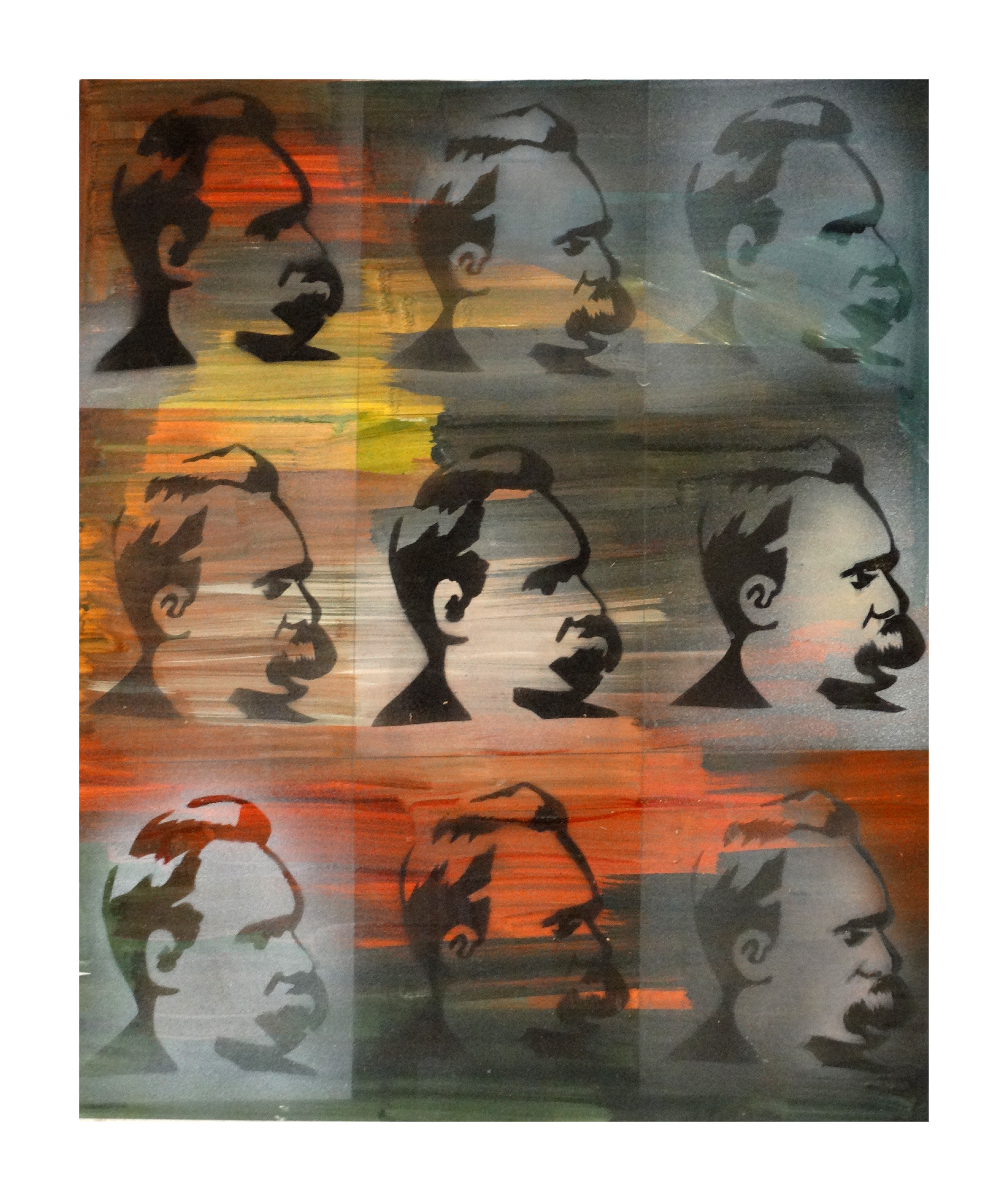
Friedrich Nietzsche’s writings are peppered with ideas on the topic, in part, I suspect, due to his own fairly constant physical infirmities. Rainer Maria Rilke entertained the notion that everyone carries their own Death around with them. He said that when Death’s time comes it gets to express itself in it’s own unique way. I guess no two Deaths are the same just as all people are different. Having Death as a constant companion would probably get a nod of approval from the ancient Stoics.

The Norwegians Knut Hamsun and the painter Edvard Munch, similarly, offer dark visions of man’s predicament.  Hamsun’s writings are filled with existential angst while Munch’s paintings may serve to illustrate the common neuroses of primal fears we all seem to share.

Well, I guess there is the inevitability that eventually suffering and death will occupy each and every one of us but there is the implication among some of these men that perhaps facing up to life’s travails isn’t such a bad thing. Friedrich N. famously declared: ‘That which does not kill us makes us stronger.’ I guess bearing suffering well does demand courage; you know, requires one to step up, see what one is made of and all that.  It seems like most of the suffering I bear these days has to do with minor physical infirmities and fighting myself to avoid judging some of those in the political arena.  The second of these is pretty painful.

All in all I really don’t think I need to suffer more.  I’m really quite satisfied in my contemplation s within the warmth and security of my cozy room. And I feel pretty good about myself, exercising, as best I can, compassion for those around me. As far as getting friendly with my own death goes, I think I have enough social interaction right now without her.  But, I suppose when the inevitable occurs I’ll try to face it with strength and decorum.

nietzsche3

Mandala Haiku

I was reading recently that the psychologist Karl Jung had his patients paint mandalas as a means of treating their various mental difficulties.
He arrived at this notion, I guess, through his identification of what he called the ‘collective unconscious’, which he thought everyone shared. The idea is that, through our evolutionary development, certain symbolic associations occur which are common to all humankind. And one of these symbols is the circle.

According to Dr. Jung, the circle or mandala form conveys a sense of wholeness or self that most everyone can relate to. By immersing themselves in constructing circular paintings, his patients’ psychic problems tended to be relieved. The formations they developed in their paintings created a sort of structure that translated into a greater personal mental stability.

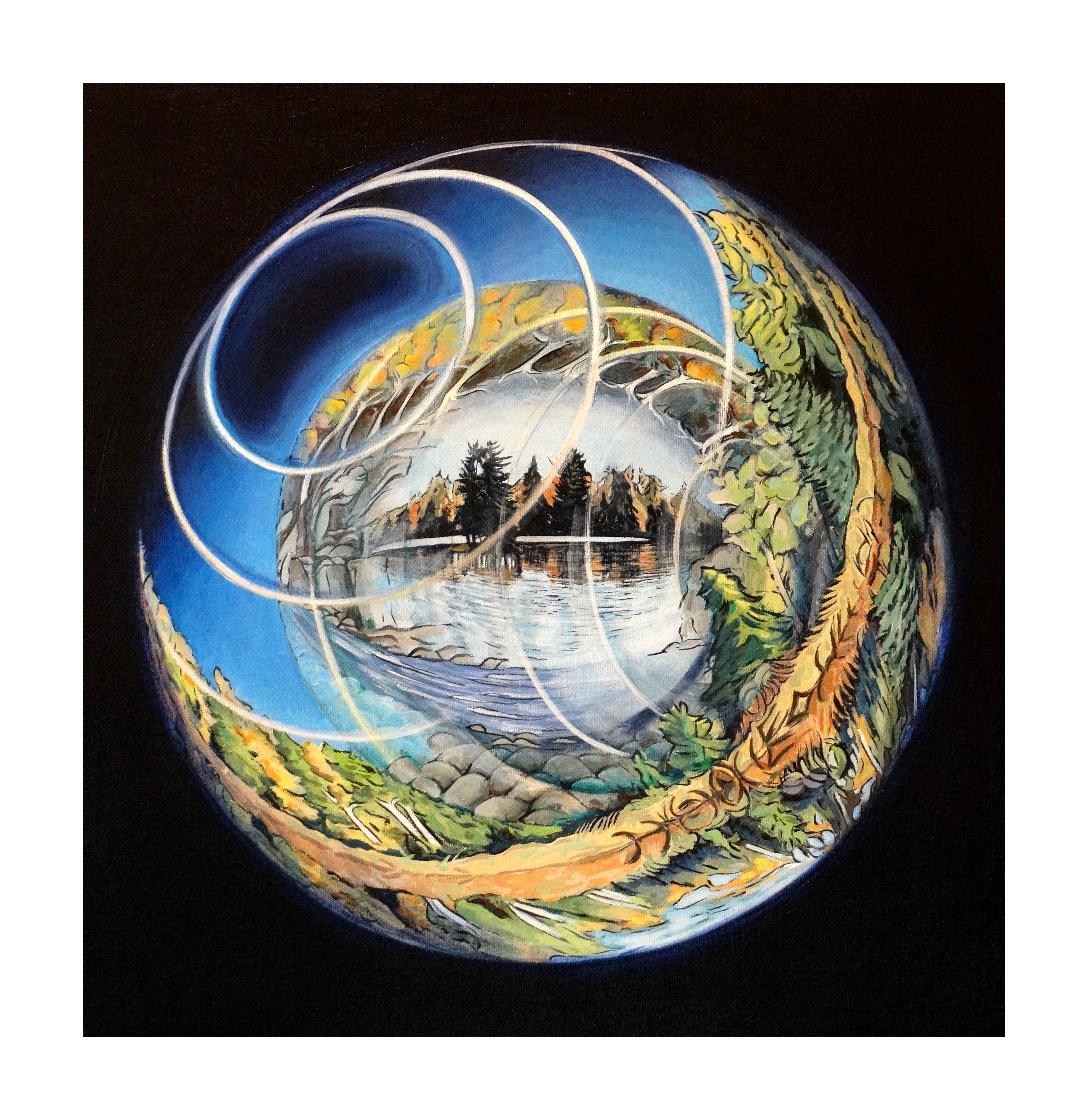
I’m not sure one has to necessarily paint mandalas to benefit; eastern religions have been using circular structures as foci for meditative practices for a long time. And, I’m convinced meditation is a very beneficial endeavor. I am so sure of this I’m inspired to offer a haiku:
Attentive focus
Within the circle of self,
Clear mind, present mind.

Well, it works for me and it certainly can’t be a bad way to spend some time.

meditationdevice3


Me, Myself and I

I’ve been thinking about my Self lately; mostly about how to reconcile the beauty and freedom of selflessness with the necessity of maintaining a healthy self-image to deal with the pressures of everyday reality. Looking to both positions seems kind of contradictory.  On the one hand, releasing attachment to the self opens awareness to full realization of the here and know in all its complexity. And, although not all one experiences is of a positive nature, un-attachment makes it possible to maintain perspective, to reach a reasonable understanding, without creating a “story line” in which “I” am the protagonist.

On the other hand, I am led to believe that without a healthy, confident self I probably won’t fare too well out in the world, socially speaking. The meek may inherit the earth, so it’s said, but in the meantime one should expect some serious bullying.  I suppose, maybe, like much else, the problem may just be a matter of degree. Perhaps the self is nothing more than the subject of the perceptions, emotions and thoughts we experience rather than the independently existent entity that leads to narcissism and tunnel vision.

As nice as it would be, intellectually (and emotionally, too), to be absolutely sure one direction is better than the other, I guess I must be content with attempting to balance the ideas. It just goes to show, I suppose, living an examined life takes some work.

me, myself and I


Compassion

I’ve been working on my compassion lately. That is, on increasing my ability to care about others. Which, for me, is no easy task; I seem naturally inclined to take offense, find fault, nitpick, make quick judgments based on appearance, you name it and I’m inclined to fit the bias.

I’m much more comfortable being alone with my thoughts and activities than I am around others, particularly when there are large numbers of others. Even around my friends there’s a limit to how long I find companionship a good thing.

Of course, I do understand, from a purely pragmatic standpoint, the need at times to stand in the presence of another sentient being or two………

But, right now my concern is compassion; I know it must be true that there is common bond among us all; we all desire happiness, to be accepted by others, even liked. And the fact that we go about achieving these ends in a lot of different ways doesn’t change the essential fact of the matter.

So, I will meditate on compassion, work to understand those I’m inclined to abhor, those who exploit others for their own selfish gain, and those who consume excessively to the detriment of the world we’re all dependent on. I’ll start by focusing on the beauty of nature, the source of our common existence. I’ll meditate on those past civilizations that have striven to raise all citizens above mean existence, fought injustice, and respected all. And, if I backslide, if my thoughts return to the anti-social, greedy and subversive I will try and remember that everyone, whether they presently realize it or not really just want the same thing I do: serene existence.

meditation mandala

Platonic Love

I’ve been thinking about Plato’s Symposium lately. The short book details a social get-together of a group of Greek intellectuals each speaking about the nature of love. Apparently these old guys felt the need to discuss philosophy while consuming large amounts of wine. Anyway, the speech I like best is Aristophanes’ explanation of the origins of love.

He offers that humankind began as spherical beings with four arms, four legs, two faces and opposing genitalia. There were men and women but mostly hermaphrodites. These beings were so complete in themselves, so capable and without need they pretty much ignored the gods, which was a mistake because Zeus took particular umbrage at their arrogant self-satisfaction and split them all in half. Each man became two men, each woman two women and each androgynous one became one man and one woman.

These new beings found themselves lost without their companion half, found themselves subject to all sorts of human foibles, insecurities and fears, which, I suppose, made them more attentive to the gods, at least for a time. The upshot of this bizarre episode was an innate yearning on the part of each new individual to reunite with his or her missing half, which, according to Aristophanes, marked the beginnings of romantic love.

When I think about it, as wonderfully imaginative as his story is, it kind of makes sense that some men and some women would seek soulmates of common gender even though the majority, having been androgynous to begin with seeks union with the opposite sex.

Anyway, as you might expect, Socrates gets the last word and explains in his speech that love of Man, true love, is much deeper than the physical attractions of youth, that, through love, man has access to Absolute Beauty and Goodness which lead him to ultimate truth and bring him as near immortality as Man may ever come.

I bet Socrates and the Buddha would have gotten along well had they known each other.

With Greek Philosophers

With Greek Philosophers